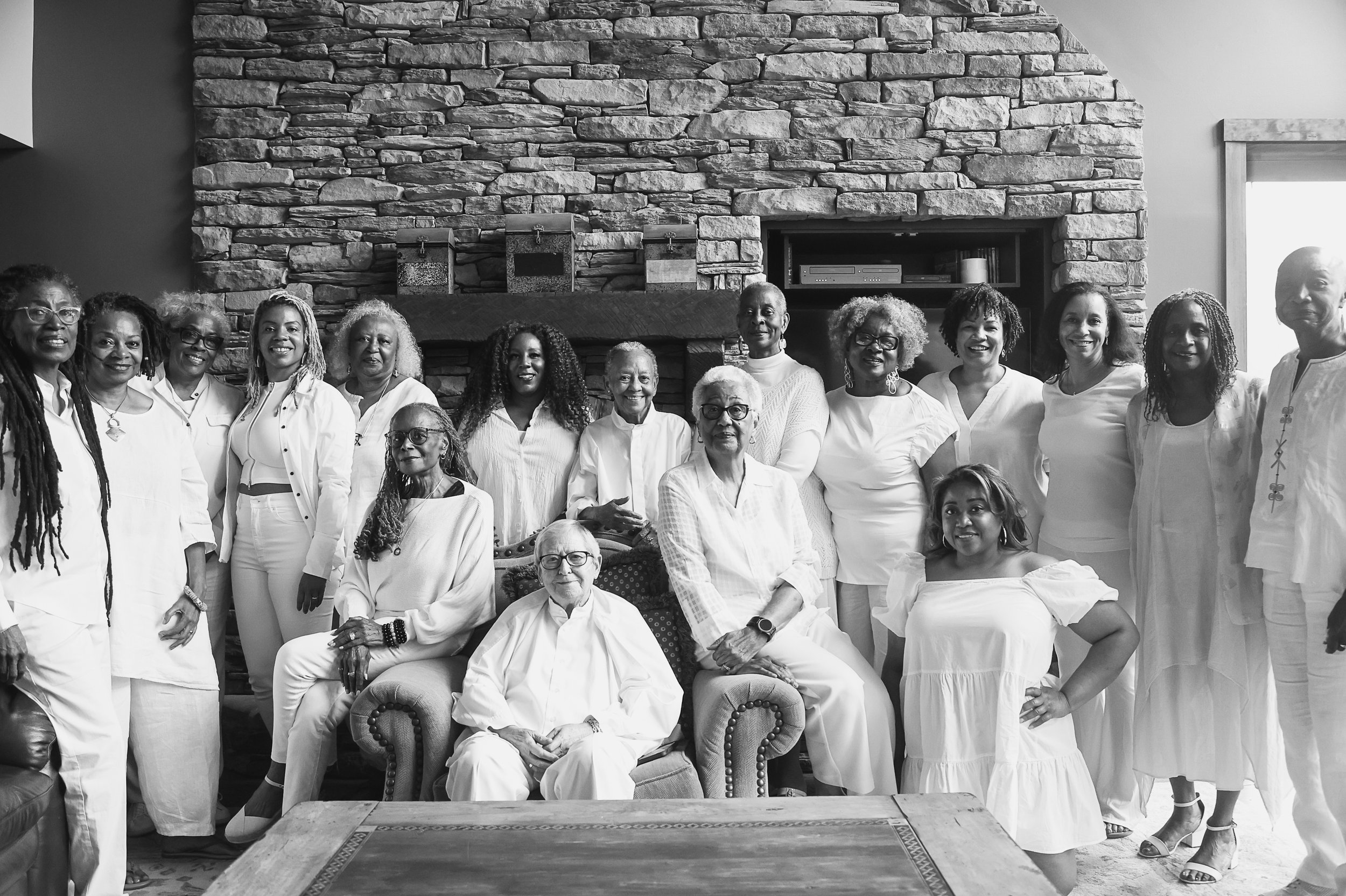
In this conversation with Communications Associate Karl-Mary Akre, Wintergreen Graduate Student Research Fellow and Emory University PhD candidate Jessica Halsey shares her experience as Wintergreen’s inaugural Graduate Student Research Fellow and the meaningful discoveries she uncovered in her archival research on the Wintergreen Women Writers Collective.
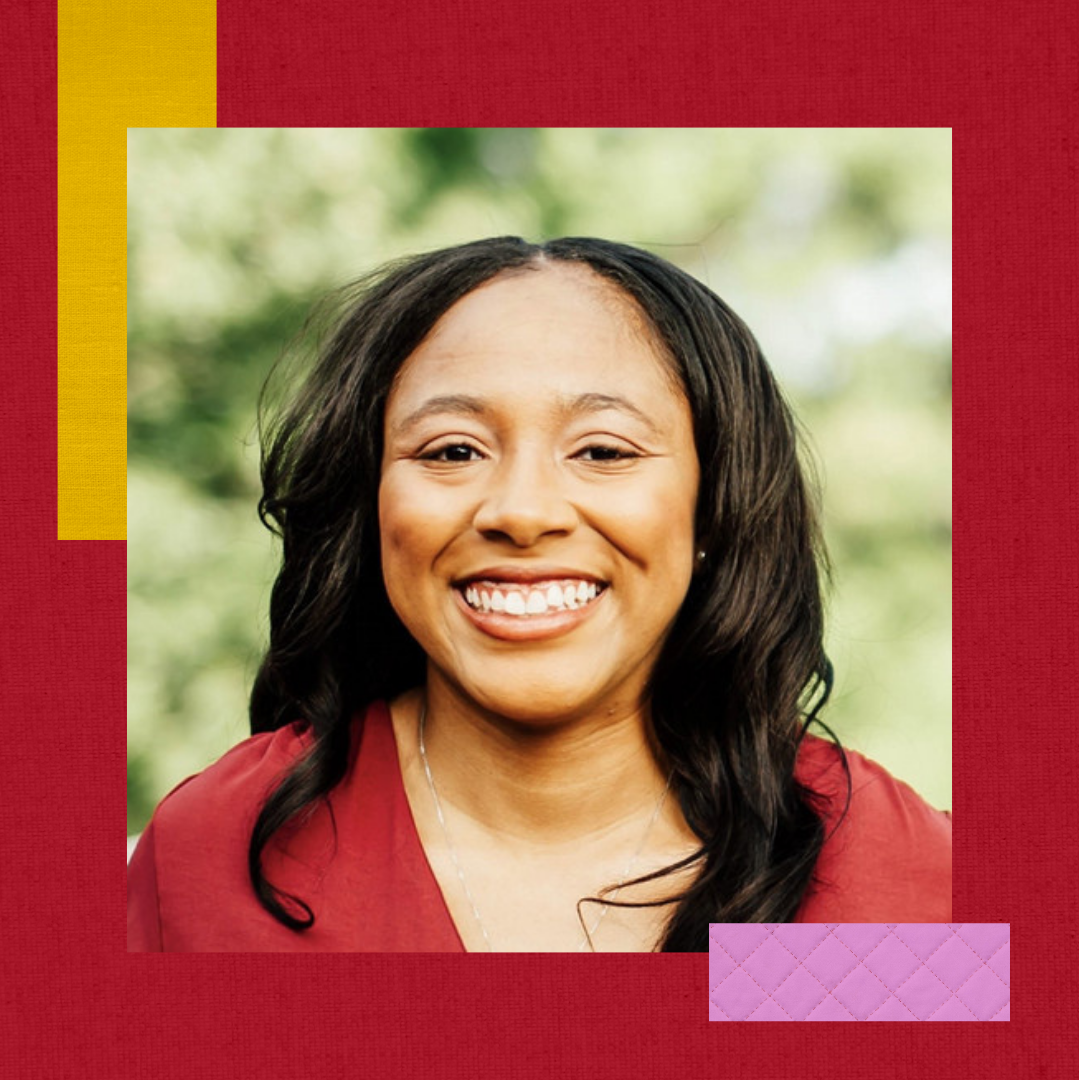
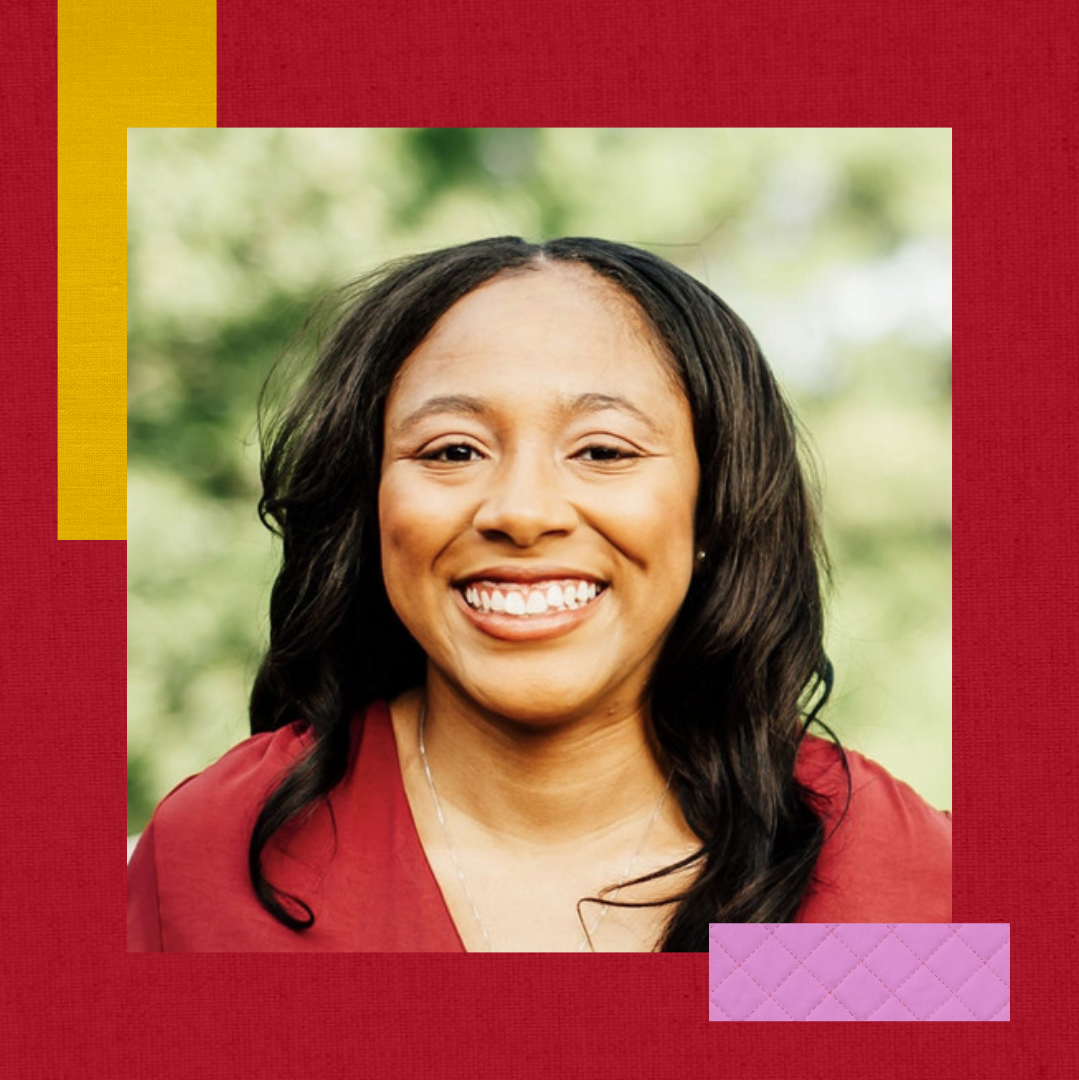
Pictured: Current Wintergreen Graduate Student Research Fellow and Emory University PhD candidate Jessica Halsey.
KARL-MARY AKRE: Thank you so much, Jessica, for speaking with me this afternoon. I would love to start with a brief introduction of yourself and the focus of your dissertation research.
JESSICA HALSEY: Thank you so much for having me! I’m a second year PhD student in the English department at Emory University in Atlanta, GA. My personal research sits at the intersection of Southern Black women's writing, memory studies, and digital archives. I'm engaging with Black feminist geographic theory because I'm interested in how digital archives can reshape how we understand Southern Black women's literary histories, particularly their writing, networks, intellectual traditions, and different forms of knowledge that have been preserved and have become more legible through archival practices.
Right now, I’m engaging with one key question: How do Southern Black women's memoirs construct the South– not simply as a geographic or cultural setting, but as an archive? How does the South function material landscape where histories, relationships, memories, and different forms of knowledge are embedded? I'm looking at the works of Natasha Tretheway, Jesmyn Ward, and Alice Walker among others, and seeing where things go from there.
That's really exciting! And how do you feel like your dissertation research intersects with the archival research that you've been conducting in your fellowship at Wintergreen?
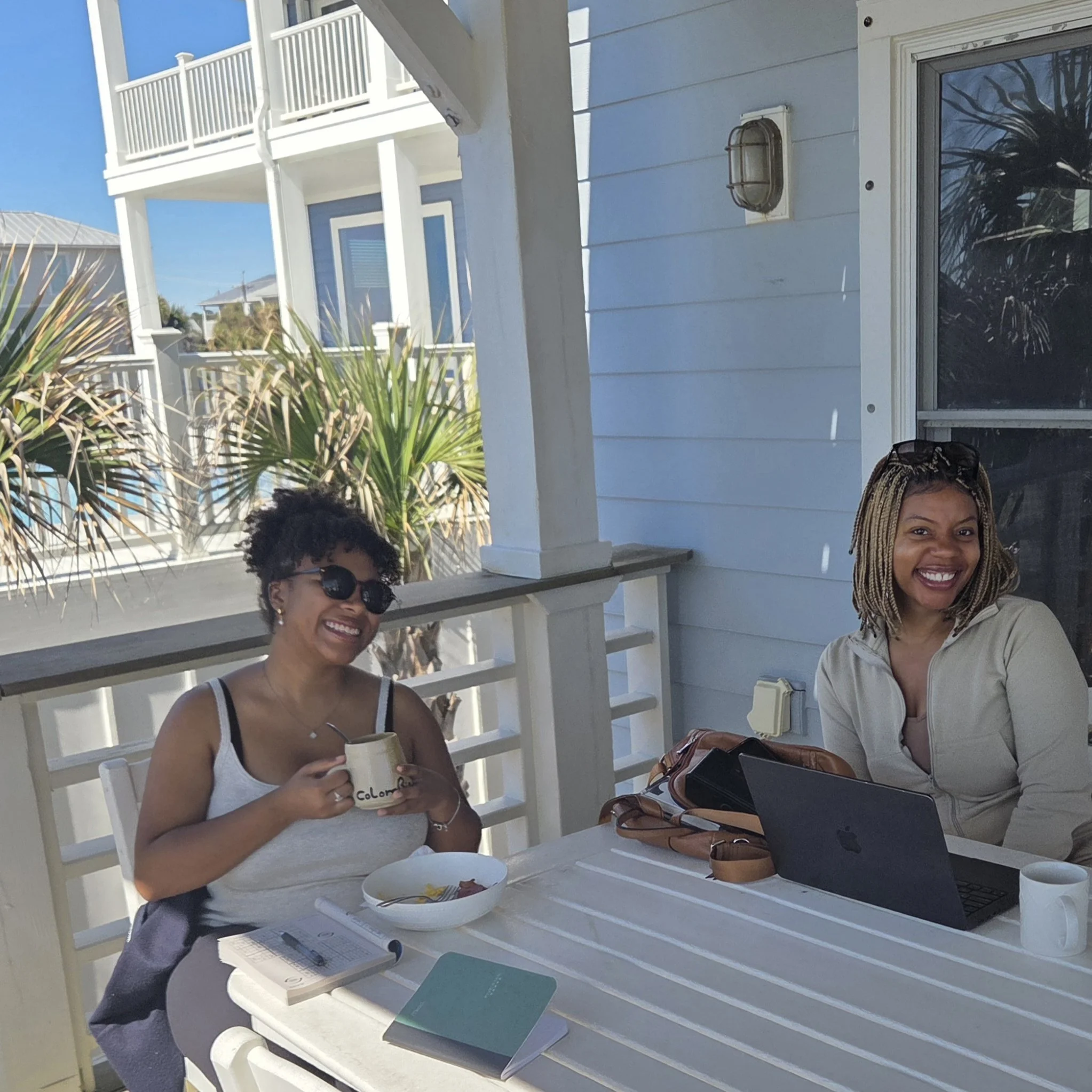
Pictured: Jessica Halsey and Wintergreen Woman Dr. Tyechia L. Thompson at the 2026 Wintergreen Retreat.
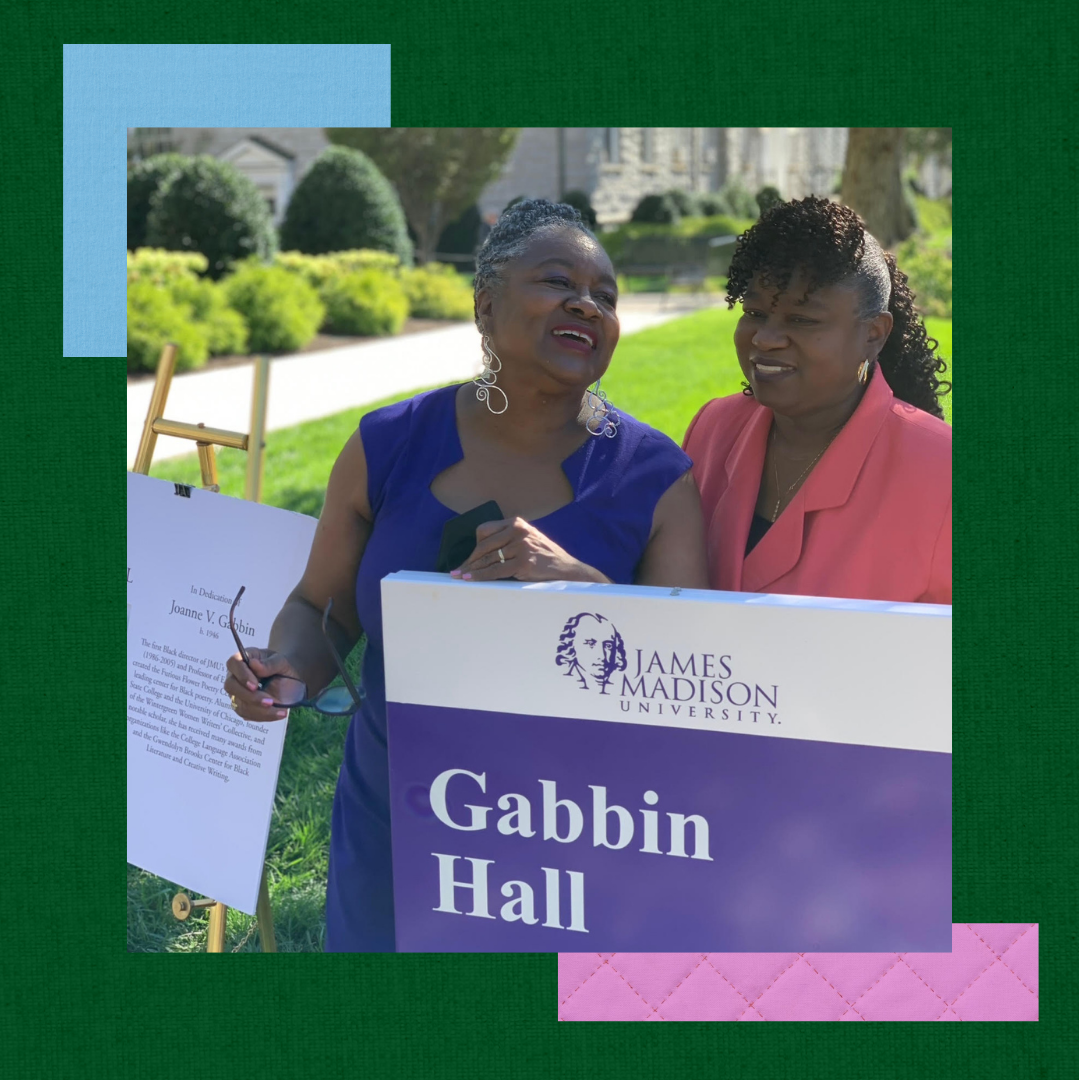
I started this fellowship during my Master's program at Virginia Tech where I was working with Dr. Tyechia L. Thompson as her research assistant. That was my first foray into archival work. But Wintergreen was my first time physically engaging with archival materials. [This experience] has helped me understand the complexities of archival research, especially when you're doing it on people that are still alive. And approaching it in a more humanistic way; not just treating these archives as vessels of knowledge, but also engaging with them beyond a historical lens. For example, Dr. Joanne Gabbin's papers are very personal. I didn't want to treat them as only pieces of information. I definitely wanted to bring humanity and interiority into my work as well.
So, you've been traveling, interviewing, and digging through the archives. What's the journey been like so far? Could you give me an overview of your fellowship experience?
This project has taken me to places that I have never even been to or would have ever been– both geographically and intellectually. It's been an amazing three years. It wasn't until the first year passed that I got to meet Dr. Gabbin and some Wintergreen Women. Before then, I had been doing preliminary research. When I was doing the archival research, I went to James Madison University (JMU) for Dr. Gabbin's papers. That was my first time at JMU, and it was so much fun because of Dr. Gabbin. She took us out for dinner and ice cream, and it was the best thing ever.
I also went to UNC Chapel Hill for Dr. Harris's papers. I had been there before, but this particular visit was a turning point in the research. We started to think “What other materials might we consider other than traditionally archival?” Dr. Thompson and I went through shelves, pulling books authored by several Wintergreen Women and started looking at their dedications and citations. That's when we went down this big rabbit hole of “Wow, they’re all mentioning each other.” This is where my understanding of an archive broadened beyond the idea of materials in boxes.
In terms of interviews, I interviewed Dr. Harris and Dr. Daryl Dance over email, which gave them time to provide super thoughtful and in-depth answers. Dr. Daryl Dance said it gave her so much energy. She sent back a super long document. And she said, "I'm so excited after remembering everything," which I thought was really special to get her perspective of what it was like to chronicle her experiences.
That really speaks to the Collective’s camaraderie and how they think about their time and pleasure in each other's company. You also mentioned CLA. Did you present at CLA or anywhere else?
Yes, I did present at CLA. The first conference where I presented this research was ASALH (Association for the Study of African American Life and History) in Atlanta last fall. This past January, I presented at MLA (Modern Language Association) in Toronto, Canada. Then, I presented at CLA in Jackson, Mississippi. These places, besides Atlanta, were all very new to me. I had never even traveled outside of the country until I presented at MLA so it was a wonderful opportunity to talk about Wintergreen.
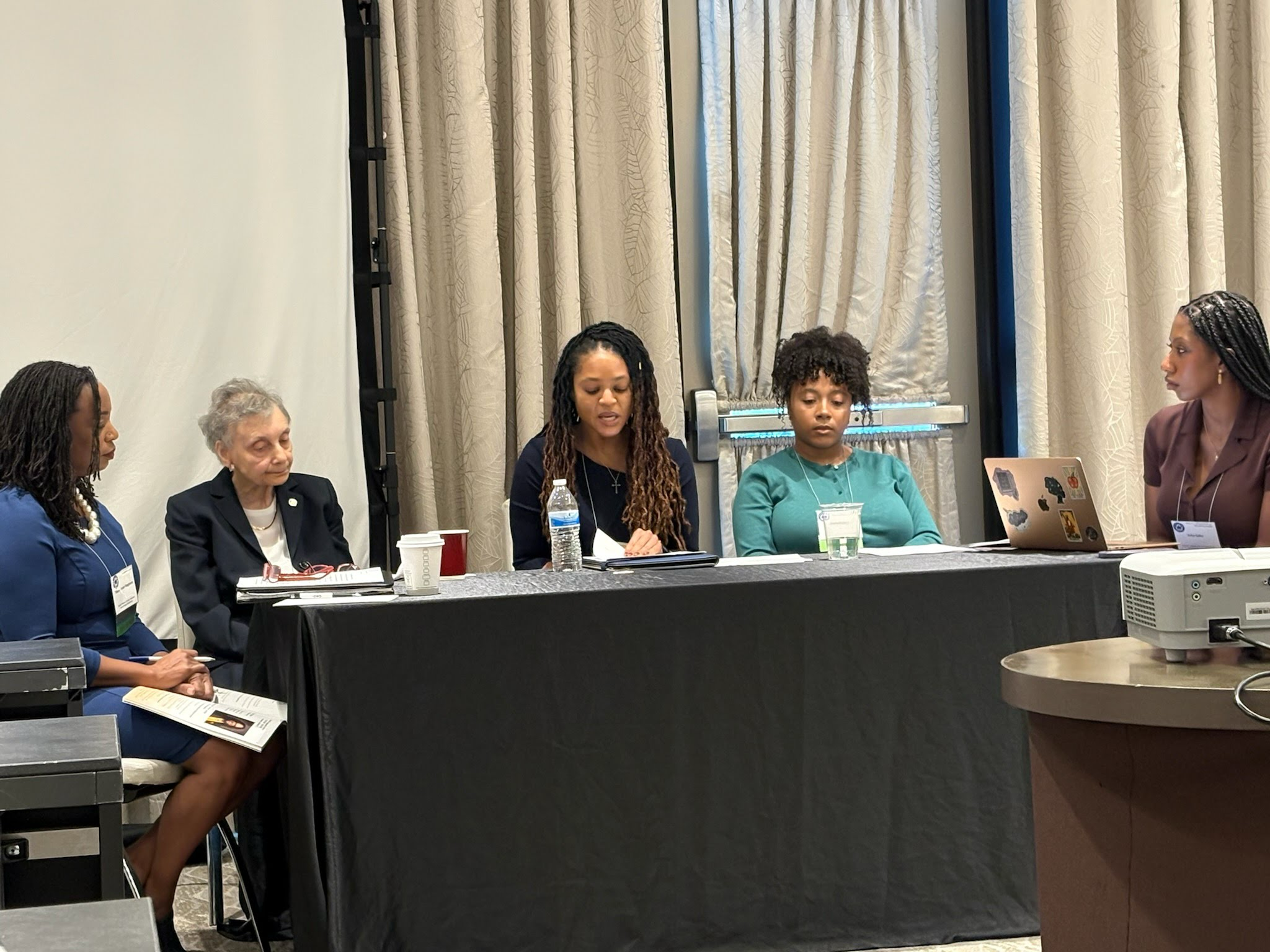
Pictured: Jessica Halsey attends CLA 2026.
As you've been interviewing and traveling, what would you say was the most surprising discovery in your research?
There are two big ones. In Dr. Gabbin's papers, I found many College Language Association (CLA) conference programs and I noticed that Wintergreen always had a panel at these conferences. That was another rabbit hole moment because I never would have thought of the Collective expanding elsewhere. I understood that members would return to their home institutions, do their work, and then come back. But to think of them moving collectively through different spaces… That surprised me, and I knew that I had to look in other places to see where they were moving.
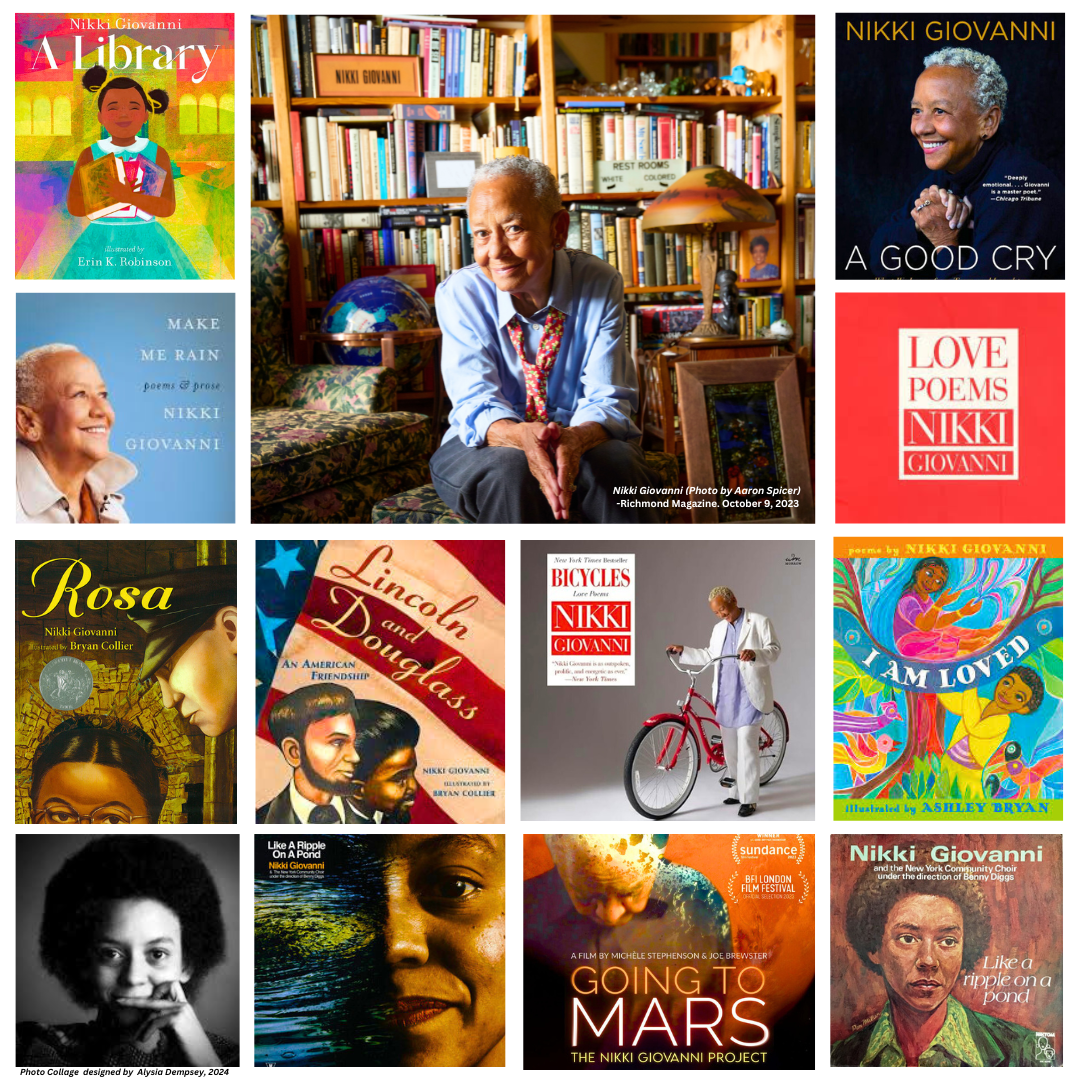
The more fun surprise was the Bid Whist game. Everyone talked about Bid Whist in their interviews, in their papers, and I had never heard of it. They're always talking about how Nikki Giovanni loved to play. Dr. Dance went on for pages about the Bid Whist games, and that was surprising. I also thought that was so special that they were like, "This [game] is so formative." And when they think about Wintergreen and the retreats, they all talk about this game.
That's so exciting! In terms of the research that you've gathered over these past three years and the work you've been doing, what are the future plans for it? Will it be published? Will it be widely accessible?
The future plan is to publish the research. We're now adapting this more academic "highbrow" research into a public-facing narrative. We’re aiming to get it published somewhere like Harper's , The New Yorker, Poets and Writers, or LitHub. Now, our process is framing this work around a question of broad public interest. If you're not already interested in Black women's literature, how can we rope you in? Something that I saw in my research– that I think will touch many people– were the ways that Wintergreen Women engaged with mundane objects, rituals, or routines and turned them into powerful moments of preservation. Sitting at a kitchen table and sharing a meal. The Bid Whist game. Attending CLA.
We all do mundane things in remembrance of something else. There's a strong tradition of Black women saving obituaries, for example. I know many of us have a grandma with a shoebox full of church programs, and that's their mundane way of preserving memory. I think this research will touch people everywhere, especially if they might not be in these academic conversations.
I'm excited to see how broad the audience could be. What would you say has been your biggest takeaway from the fellowship?
The role of community. As a young Black woman who is new to academia at majority white institutions, I am realizing the importance of being in a safe and welcoming community. I do not experience anything to the severity that people before me have experienced. I would read the Wintergreen Women’s letters to Dr. Gabbin expressing how much they needed this retreat weekend because academia felt so isolating. So, for the Wintergreen Women to all come together in the woods, talk about their work, and do mundane things like playing tennis, swimming, morning yoga… I now realize how integral that was. So that they could go off, do their work, and continue establishing what we call “Black Women's Studies” in these institutions. I wouldn’t have understood the role of community unless I saw what Wintergreen had done with their organization.
“Knowing that I can always reach out to the Collective means a lot to me. Wintergreen has given me a personal source of comfort and strength as I move through academia.”
Now that the fellowship is winding down, I would love to know what you’re thinking about as you continue working on your dissertation research. What are your goals? What's next for Jessica Halsey?
I'm in the second year of my PhD program, meaning soon I'll form my committee and start reading for my comprehensive exams. I'm hoping to take what I've learned from Wintergreen to help me in that project. It's not something that’s only contained to the fellowship. Even when I think of my dissertation, I'm thinking about how these women thought about their own archives and how that might help me.
I also want to continue having support through the Collective. Even when I was debating on coming to Emory, I called Dr. Harris and asked for her thoughts. Knowing that I can always reach out to the Collective means a lot to me. Wintergreen has given me a personal source of comfort and strength as I move through academia. It's taught me that there are pillars and structures for Black women to have safe spaces and support in academia. And I want to take that more personal and communal aspect from Wintergreen with me.
This interview has been edited and condensed for clarity.
Related News