Letters from The Team: One Spark
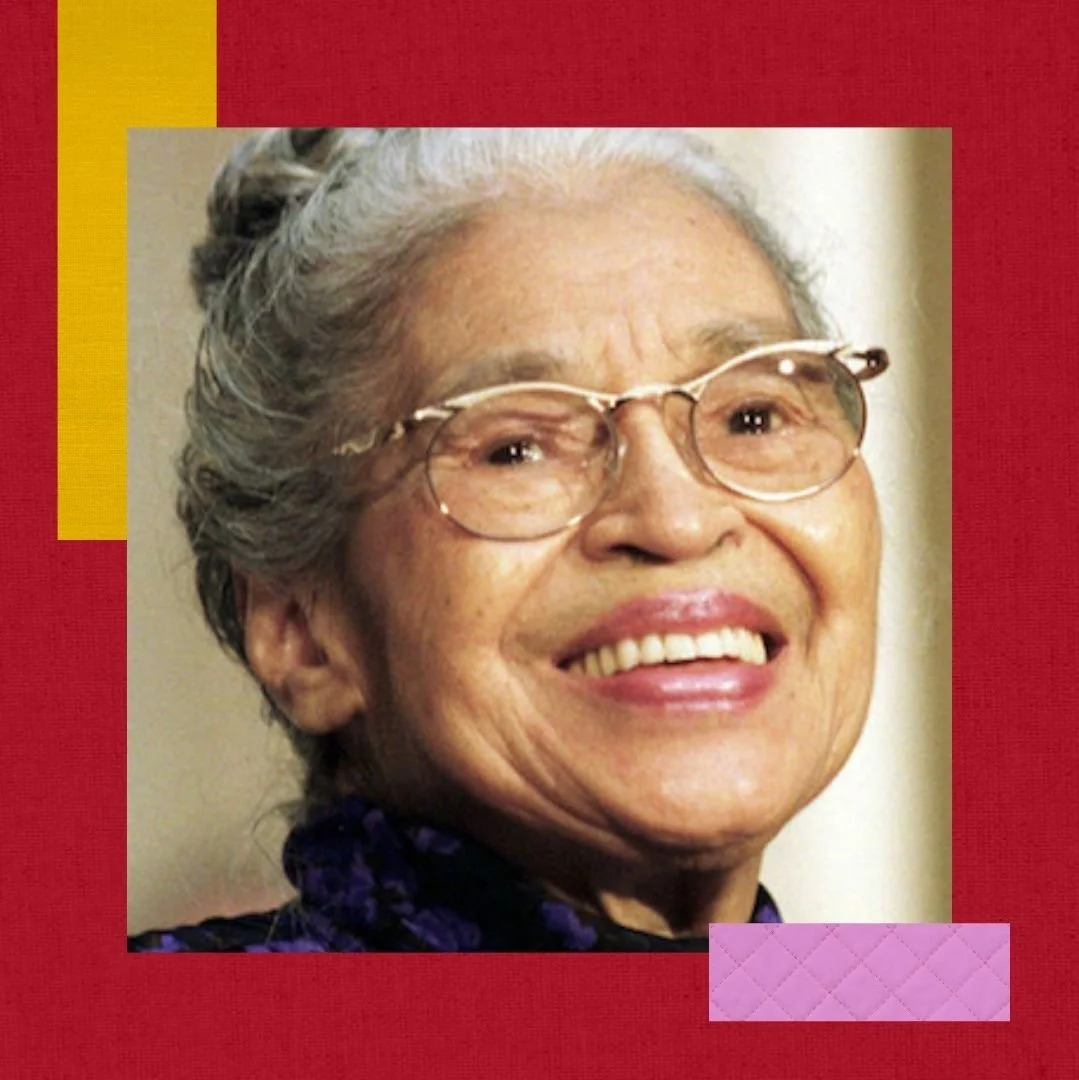
Rosa Parks reminds us of the courage that we must have to counter the intimidation and fear that we continue to face in this society.
By Joanne Gabbin
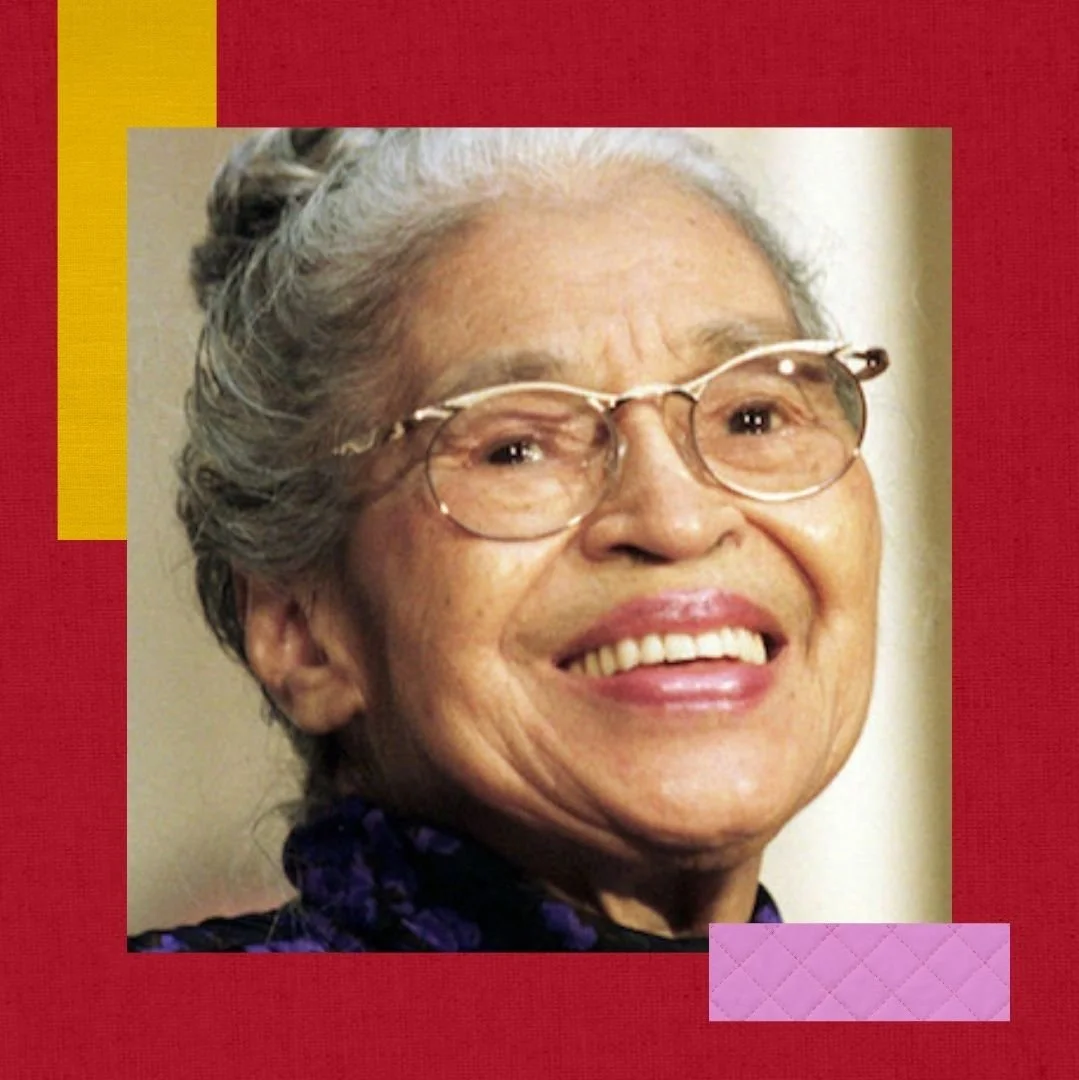
On December 1, 70 years ago, Rosa Parks refused to give up her seat on a Montgomery transit bus, was arrested, and sparked the modern civil rights movement in the United States. A member of the Montgomery NAACP and its principal investigator of sexual assaults on Black women, she was intentional as she refused the demands of the bus driver to move to the back of the bus.
She knew too well the mores of the caste system that had relegated Black people to racially segregated spaces in most areas of Southern life. She knew first-hand about the threats of white violence and retaliation that Recy Taylor endured as she investigated Taylor’s gang rape case. Rosa Parks was also still grieving the death of 14-year-old Emmett Till, who had been murdered five months before for considering himself as good as anybody else. As Nikki Giovanni wrote in her poem “Rosa Parks,” “…it was Mrs. Rosa Parks, who could not stand that death. And in not being able to stand it. She sat back down.”
Rosa Parks reminds me of the courage that is needed to counter the intimidation and fear that we continue to face in this society. Peaceful protests, like the Montgomery Bus Boycott, can still change laws, and acts of solidarity can eradicate injustice. At this moment in December 2025, I grieve the drastic changes in our economy that benefit the rich and punish the poor; I am discouraged that innocent people, singled out as different, are being arrested, deported and treated like criminals. It is my hope that Rosa Parks’ model to refuse to accept the legalized injustices inscribed on the national body is both warning and inspiration for us all.
Wishing Peace and Solidarity,
Joanne V. Gabbin
Executive Director
Wintergreen Women Writers Collective
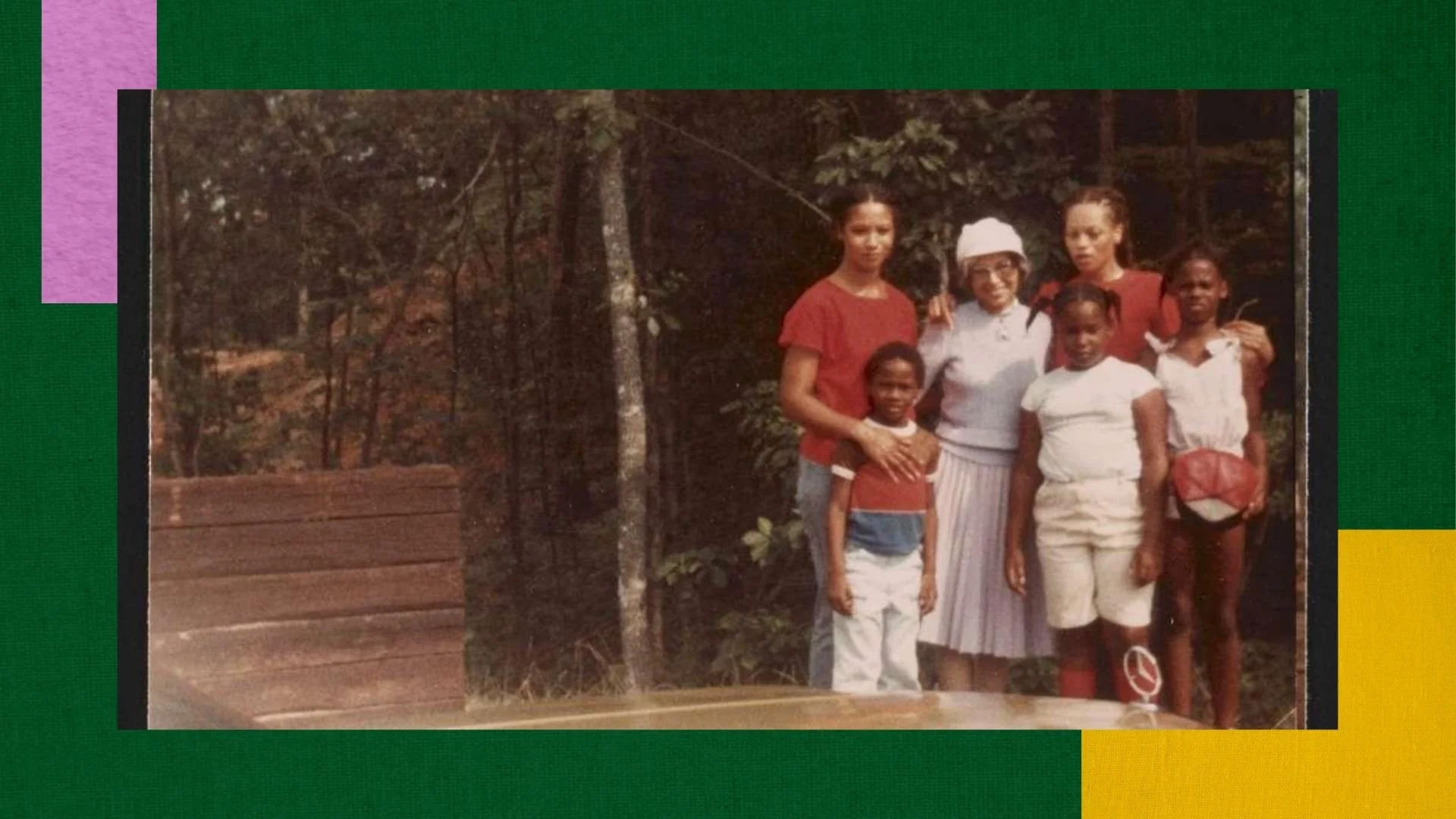
Rosa Parks reminds me that courage is made of actions, often small and cumulative and additive and collective.
By Opal Moore
On December 1, 1955—70 years ago—Rosa Parks refused to give up her seat on a Montgomery transit bus and was arrested. Her arrest, despite earlier challenges to segregation laws, could be considered the spark that mobilized the modern civil rights movement in the United States.
This December is a month of civic contradictions. I think of the anticipated holidays, family gatherings to celebrate one another and retell beloved stories. I mark the days dedicated to the lighting of candles that the month augurs—celebrations of joy and hopefulness. I make my end-of-year charitable donations to the secular tune of the “tax break” reward of charitable giving; to the discordance of the news cycle reminding me that in 2025 business owners should worry that flagellating tariffs may discourage holiday shoppers; to the statistics on homelessness and the surge of visitors to depleted food banks; to the “good news” that Wall Street is either Bear or bubble because job numbers are down, and climate change is no longer a hoax.
This December I choose to think anew of Rosa Parks and that generation of women, men and children who tripled Ms. Parks’ quiet donation with a collective gift of resistance—a refusal to accept lawlessness as Law; tyranny as peace, and hate as religion; a refusal to yield to tyranny—the quotidian tyranny of unjust laws that daily threatened the psychic and physical well-being of a category of American citizens.
Parks knew first-hand about the routine threats of state-sanctioned white violence and retaliation; she knew Recy Taylor and had investigated Taylor’s gang rape case. And she never ceased grieving the murder of 14-year-old Emmett Till. Nikki Giovanni wrote a poem, “Rosa Parks” that weaves the workings of community action. The poem closes with these lines:
But it was the
Pullman Porters who safely got Emmett to his granduncle and it
was Mrs. Rosa Parks who could not stand that death. And in not
being able to stand it. She sat back down.
She sat back down.
This line, out of context, might sound like resignation. This sitting down, of course, was an action, a refusal. A lyric, I shall not be moved.…
Rosa Parks reminds me that courage is made of actions, often small and cumulative and additive and collective. At a moment when our human economy is being destroyed by drastic changes that insulate the rich and assault the poor and/or anyone who can be singled out as different. As difference—marked by an accent, a job description, a zip code—is a court order for deportation and criminalization, I think anew of Rosa Parks’ refusal to accept the legalized injustices that we now see inscribed on the national body as warning, as inspiration. Courage, poet. Courage, storyteller, courage teacher.
Courage, us. We.
Happy December.
Opal Moore
Programs & Partnerships Director
Wintergreen Women Writers Collective
Related News